

Procurement teams have a lot to manage: documents, compliance, and deadlines. A procurement co-pilot brings everything together in one AI-powered workflow.
Companies looking to scale procurement automation often combine custom AI solutions with dedicated engineering support. Learn how our AI automation and dedicated team services help build and deploy enterprise AI assistants at scale.
Our client is a business agency that often participates in government procurement. They wanted a quicker and easier way to review tender opportunities and manage the increasing complexity of procurement documents. A single tender might include qualification requirements, technical details, contracts, and annexes, which are usually spread across many files and pages.
Procurement teams face real risks when overwhelmed by documents. If they miss a compliance rule, a deadline, or a contract detail, it can lead to disqualification, fines, or lost business.
As procurement teams adopt digital tools, AI in tendering is now essential instead of just a helpful extra.
To support client goals, we built an AI-powered tender management platform (a central hub for procurement teams). With this solution, the client’s team can understand requirements more quickly, spend less time on manual reviews, and manage complex procurement rules with confidence.
Before partnering with us, our client had to review 10 to 15 procurement documents for each tender. Key details such as deadlines, qualification criteria, evaluation methods, negotiation steps, and contract terms were spread across PDFs, annexes, and legal texts.
This created several operational challenges:
The client needed more than just document storage or keyword search. They required a system that could handle end-to-end procurement automation, advanced tender document analysis, and dependable compliance automation.
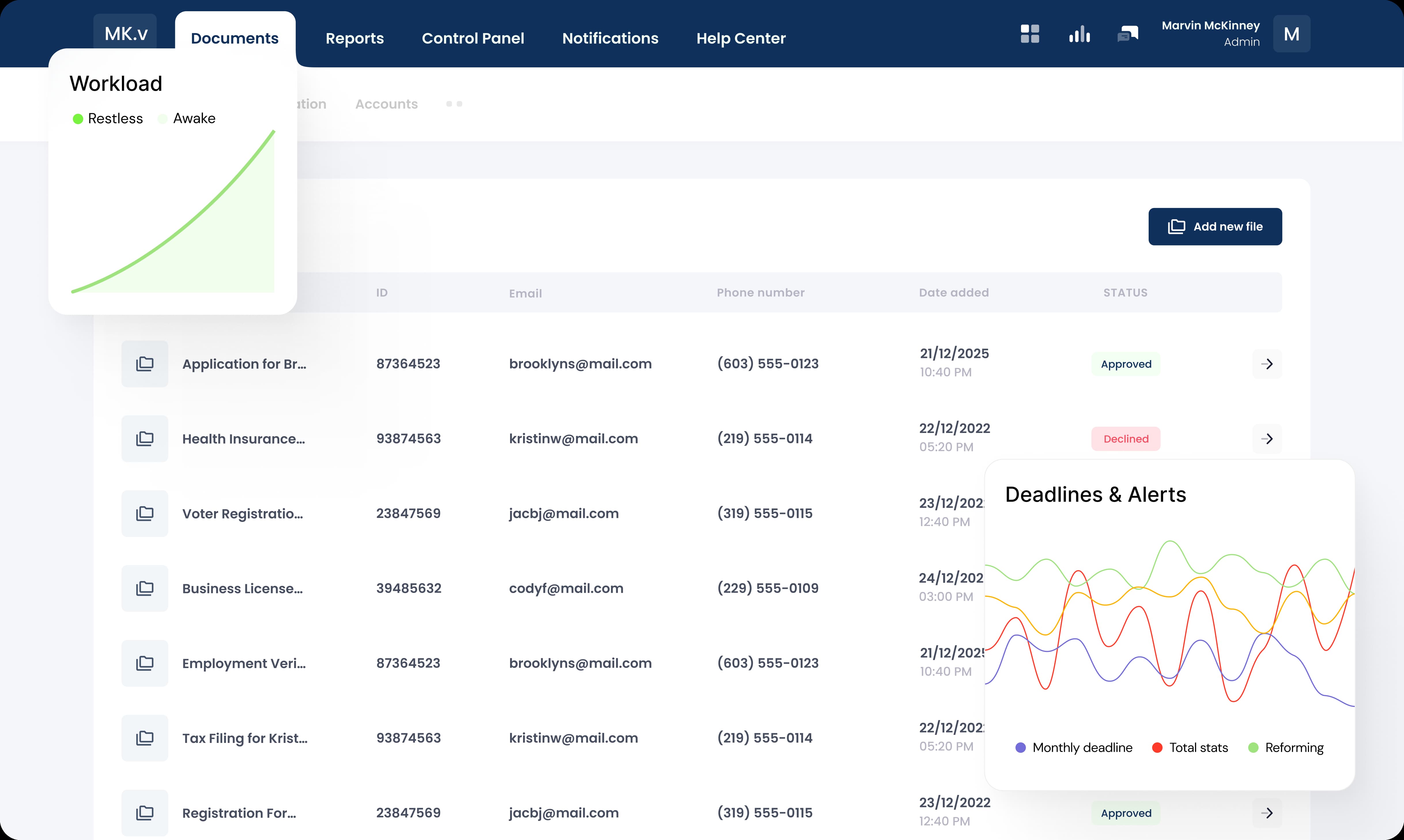

We first examined how procurement works from start to finish, covering tender publication, document gathering, qualification assessment, proposal creation, compliance checks, and final submission. Our team held detailed sessions to map out workflows and see how procurement professionals use tender documents during evaluations.
This analysis showed us some common challenges:
To solve these problems, we created a framework that uses AI to better understand procurement documents.
Our research process included the following steps:
We mapped each stage of the procurement process to spot repetitive manual tasks, information bottlenecks, and compliance risks.
We looked at how procurement specialists search for, check, and cross-reference information when evaluating tenders and preparing proposals.
Because procurement often involves documents in different languages and regions, we designed the system to analyze and interpret multilingual content.
We used advanced language processing to build models that can identify:
We built the solution around a central intelligence layer that turns unstructured documents into searchable information. As a result, AI procurement assistant uses intelligent document processing to give actionable insights (not just raw search results).
We created a platform that uses AI to help manage tenders, process documents, check compliance requirements, and support procurement tasks.
The platform is built from several connected layers of intelligence that work together to create a single environment:
After upload, documents are processed by an AI system that sorts and organizes them based on various criteria. The system turns them into organized procurement knowledge, so users do not have to search through collections manually.
Users can ask natural-language questions, and the AI assistant finds the right information using context and gives answers that link directly to the source documents. This saves a lot of time compared to searching through hundreds of pages.
The compliance engine constantly checks procurement requirements against the materials prepared for submission. Automating compliance in this way lowers the risk of submission errors and helps teams feel more confident that their bids are ready.
The platform also acts as a procurement intelligence system. The assistant compares current tenders to past opportunities, spots missing details, and suggests questions that procurement teams can send to contracting authorities.
The platform serves as a long-term foundation for enterprise procurement automation initiatives.
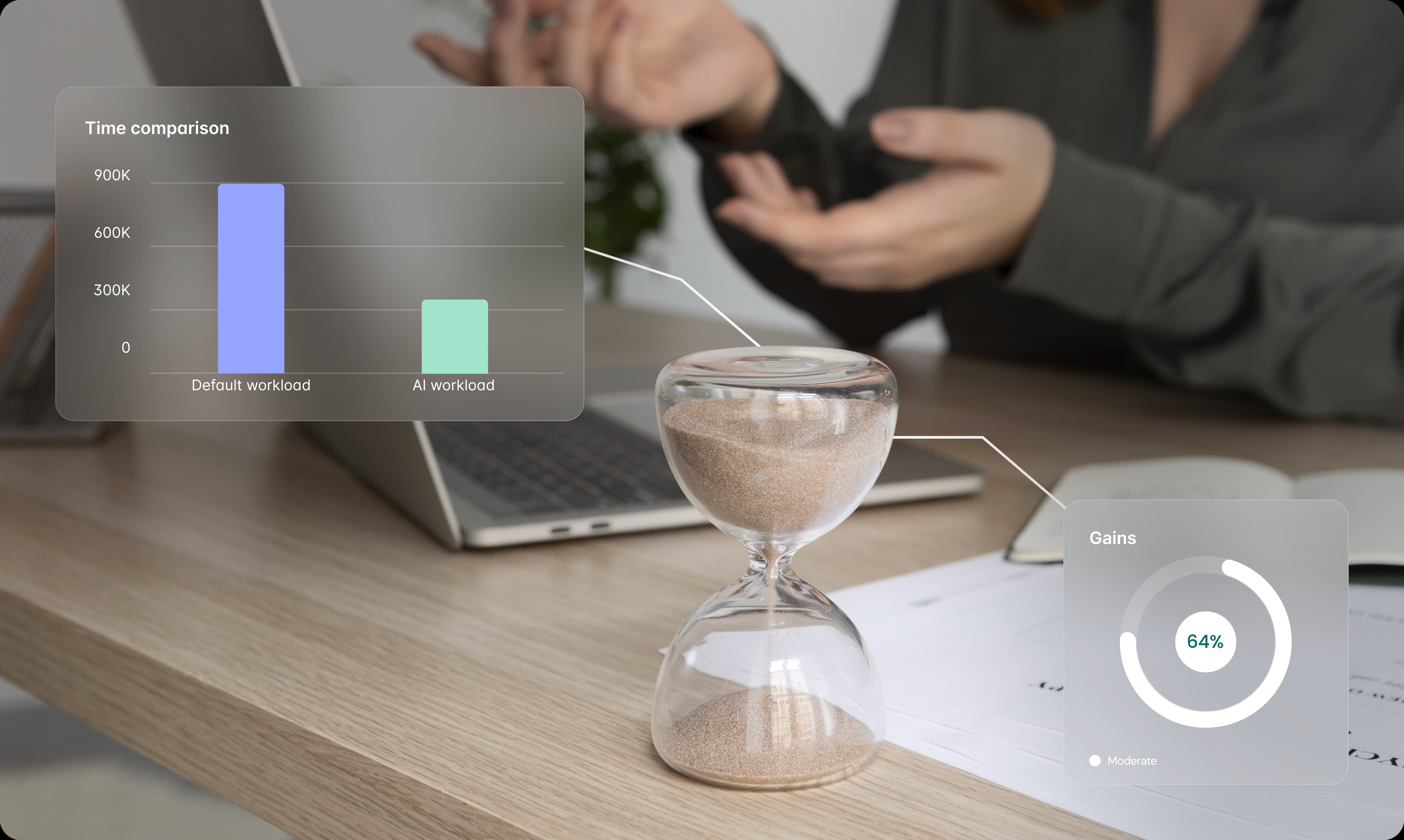
Using the procurement co-pilot made it much easier to review tender opportunities and prepare submissions. Key outcomes included:
The AI assistant sped up the first review by pulling out key requirements, deadlines, eligibility rules, and contract details from large sets of procurement documents.
What once took 4+ hours of document analysis now happens in minutes. Our client can instantly access any information within the procurement documents through simple questions, focusing their time on crafting winning proposals.
Automated compliance checks helped make sure teams did not miss any important requirements or submission rules. The platform checked documents against tender requirements, so teams could spot any missing information before submitting.
Information that used to be spread across many files was brought together in one searchable place. Specialists could quickly find answers, get supporting documents, and keep everyone on the same page.
With document intelligence, procurement insights, and smart search, the platform helps the team make better decisions about bidding, and spend more time on strategy and proposal quality.
Now, the client has a platform that can handle more automation, advanced analytics, and future AI tools to support decision-making. 🚀
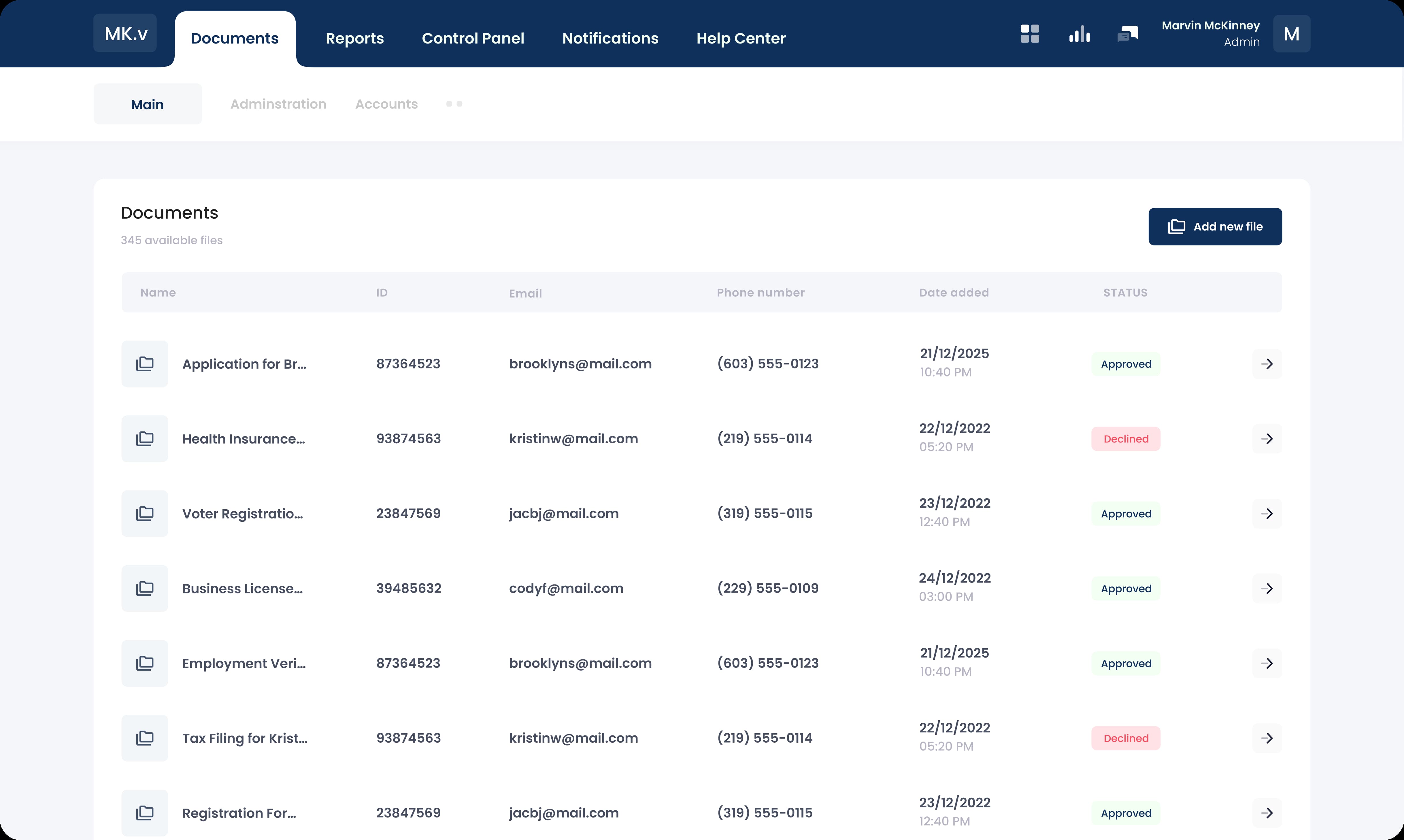
This project shows how a specialized procurement copilot can turn complex tender evaluations into clear, data-driven workflows.
As the adoption of AI in tendering continues to grow, teams are looking beyond generic AI tools and investing in domain-specific procurement intelligence systems.
A modern procurement co-pilot provides a practical path to faster, compliant, and AI-powered tender management. ✨

representative offices

SWITZERLAND, Zürich, 8004
Baarerstrasse 139 6300 Zug

estonia, tallinn, 11317
Kajaka 8, office 26

NORWAY, oslo, 0173
Fougstads gate 2
development offices

ukraine, chernihiv, 14000
Kyivs'ka St, 11, office 155
ukraine, kyiv, 04071
nyzhniy val str, 15, office 131
ukraine, lviv, 79039
shevchenko str, 120, office 17
development offices
ukraine, chernihiv, 14000
Kyivs'ka St, 11, office 155
ukraine, kyiv, 04071
nyzhniy val str, 15, office 131
ukraine, lviv, 79039
shevchenko str, 120, office 17
Representative offices
SWITZERLAND, Zürich, 8004
Baarerstrasse 139 6300 Zug
estonia, tallinn, 11317
Kajaka 8, office 26
NORWAY, oslo, 0173
Fougstads gate 2
Book a call to discuss how we can match you with proper technologies


.jpg)


.jpg)