scalable n8n workflow automation for B2B outreach
Enterprise workflow automation platform built with n8n, PostgreSQL, OpenAI, and Microsoft Graph to replace 300+ fragmented Zapier workflows.
when workflows outgrow the system behind them
As B2B outreach operations grow, automation systems can outpace the infrastructure behind them. A few workflows can quickly turn into hundreds, handling lead enrichment, email delivery, replies, campaign tracking, and reporting.
Our client managed one of the most complex outreach setups we have seen. They built over 300 Zapier workflows to support many clients, campaigns, integrations, and reply processes. This helped them grow quickly at first, but as demands increased, the system struggled to scale.
Each new client meant more workflows. Any logic updates had to be copied across many automations. It became harder to see what was happening and to troubleshoot as the system grew.
The client needed a centralized workflow platform that could handle large-scale operations, offer better visibility, and provide a solid base for future growth.
We focused on moving everything to n8n workflow automation, bringing all the separate processes together into one system using n8n, PostgreSQL, OpenAI, Microsoft Graph, and Retool.
when automation becomes too complex
The old setup of over 300 separate workflows worked, but it caused big challenges for scaling and made maintenance much harder.
workflow duplication
The platform used a separate workflow for each client. Every new campaign meant copying existing workflows and tweaking the logic for each one.
As more clients joined, hundreds of almost identical automations appeared. Any updates to business logic, integrations, or rules had to be made by hand in many different workflows.
operational reliability
Zapier workflows could fail for many reasons, like API problems, authentication errors, rate limits, or outside service issues. Often, operators did not notice these failures right away.
Without central monitoring, retry systems, or recovery workflows, leads could drop out of the process without any alerts. These reliability problems hurt campaign results and reporting accuracy.
scalability problems
As outreach volume grew, onboarding new clients required more resources.
For each new client, teams had to build new workflows, set up integrations, check routing logic, and test everything. This process took about 1.5 hours per client and added extra work.
The increasing complexity showed the need for a structured Zapier to n8n migration strategy that could eliminate workflow duplication and support scalable client onboarding.
fragmented integration
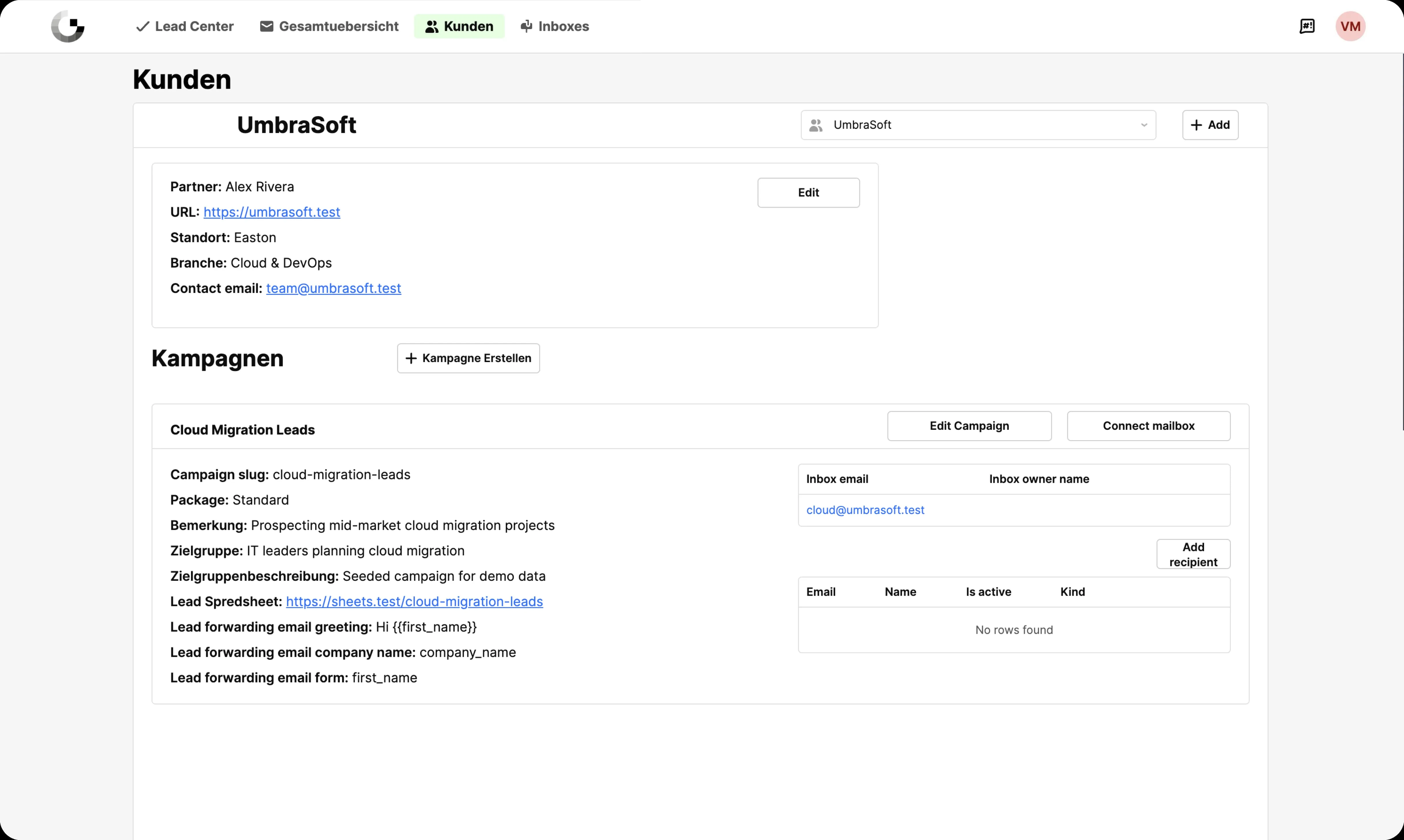
Key business processes were spread across hundreds of disconnected automations. This fragmentation made it hard to see workflows clearly and prevented operators from getting a unified view of campaign activity.
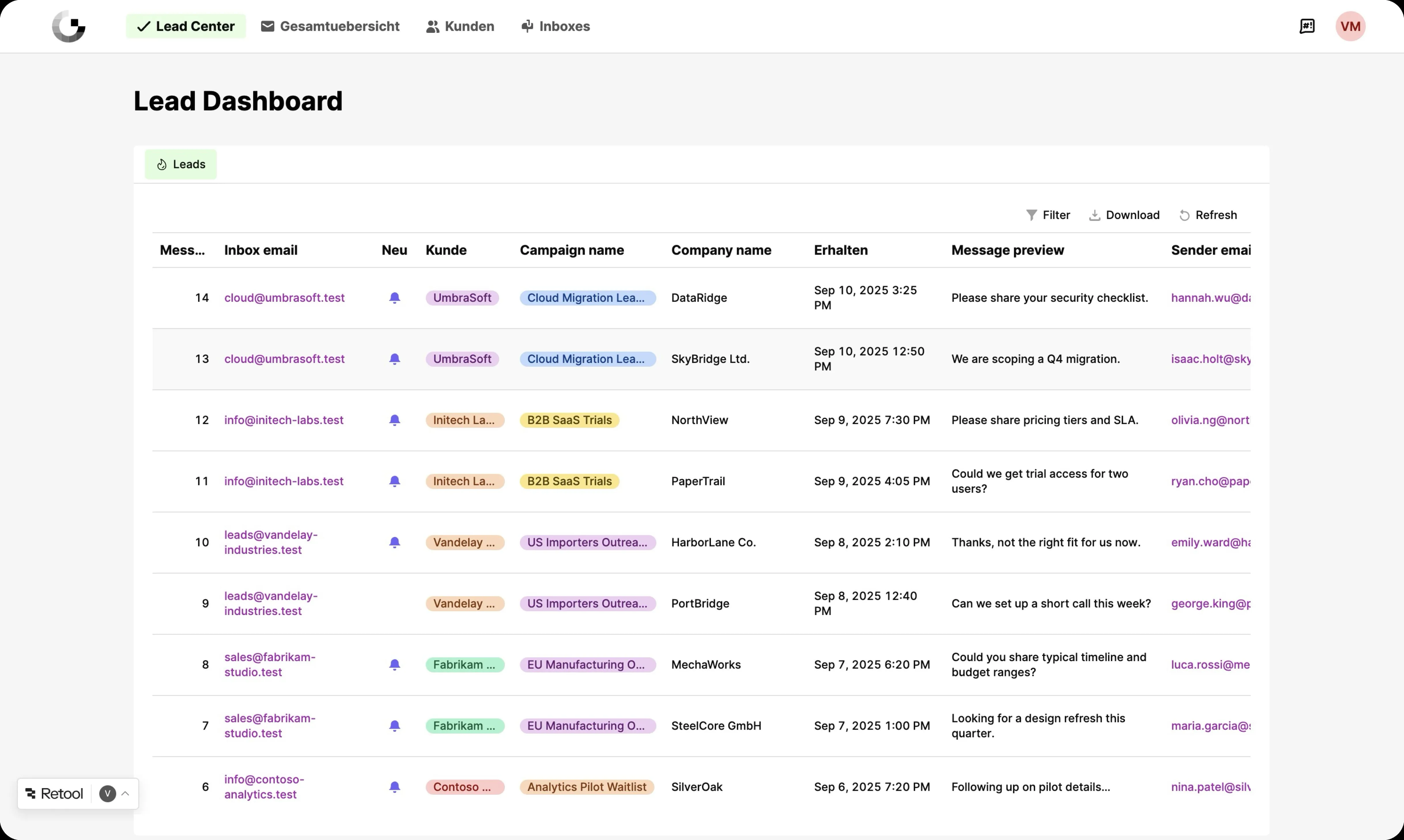

“We went from chaos to clarity. One system, full control - now outreach runs the way it always should have.”

understanding what breaks at scale
Before designing the new architecture, we thoroughly analyzed the client’s automation ecosystem and discovered several key architectural issues.
why workflow-per-client architectures fail
The existing setup used a workflow-per-client model. Although simple in the beginning, this approach quickly created hundreds of workflows.
Each new client added more execution paths, duplicated logic, extra monitoring, and more maintenance. As the number of workflows increased, operational complexity grew faster than the business value.
why centralized orchestration became necessary
Our analysis found that many workflows did almost the same tasks.
Rather than managing hundreds of independent automations, a centralized orchestration architecture could process multiple clients through shared execution pipelines and configurable routing logic. This approach would greatly reduce the number of workflows and make maintenance and oversight easier.
The findings strongly supported a workflow consolidation initiative built around centralized execution and shared services.
AI classification as an operational multiplier
Human operators spent a lot of time reviewing incoming messages, figuring out intent, sorting responses, and updating campaign statuses.
With AI workflow automation, inbound replies could be automatically sorted, enriched, and sent for review. This reduced manual work and made processing more consistent across campaigns.
reliability must be designed, not assumed
The research also showed that enterprise outreach operations need more than just basic automation, they require stronger infrastructure capabilities.
The future platform would need retry and recovery systems, centralized monitoring, audit trails, event tracking, operational alerting, and workflow governance controls.
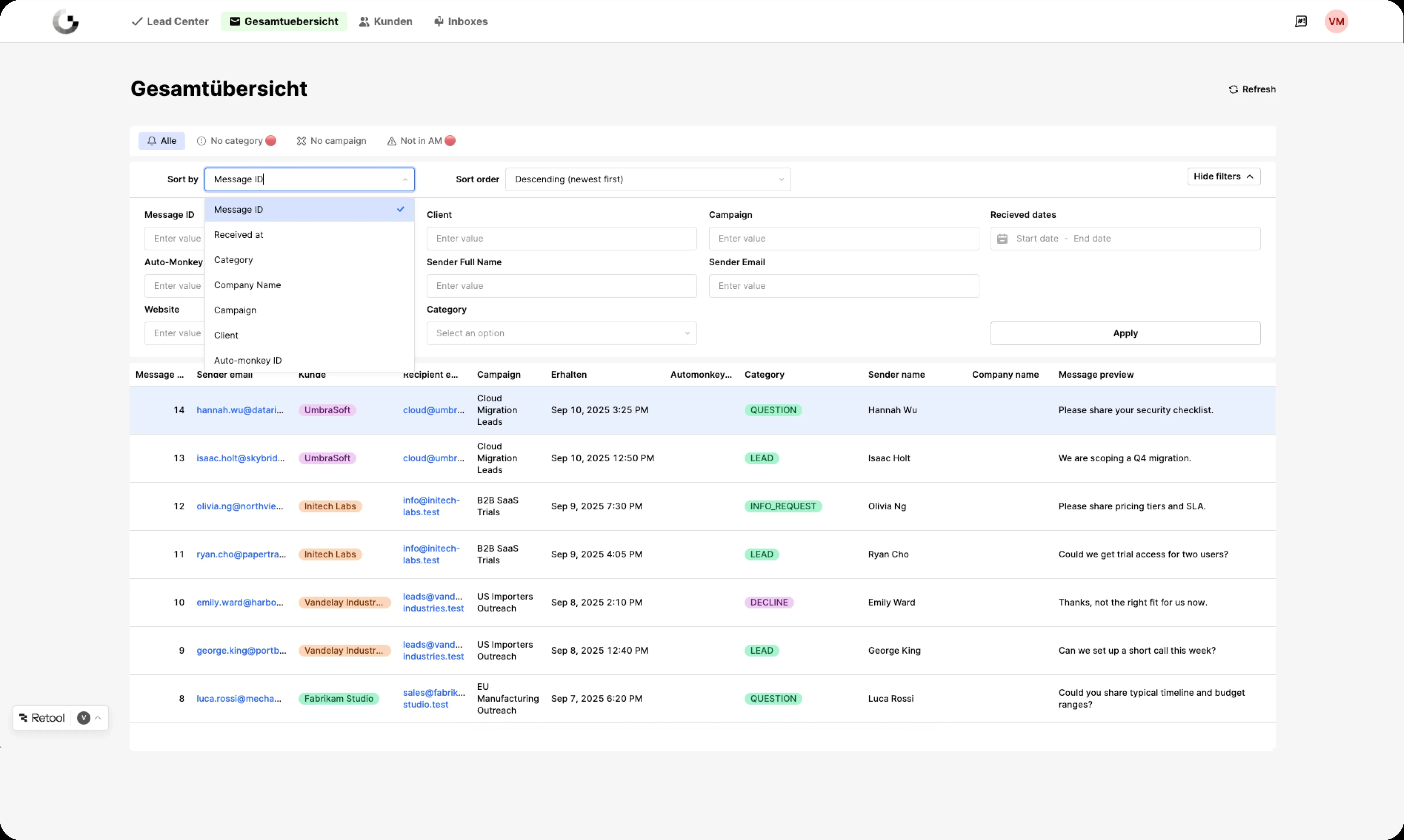
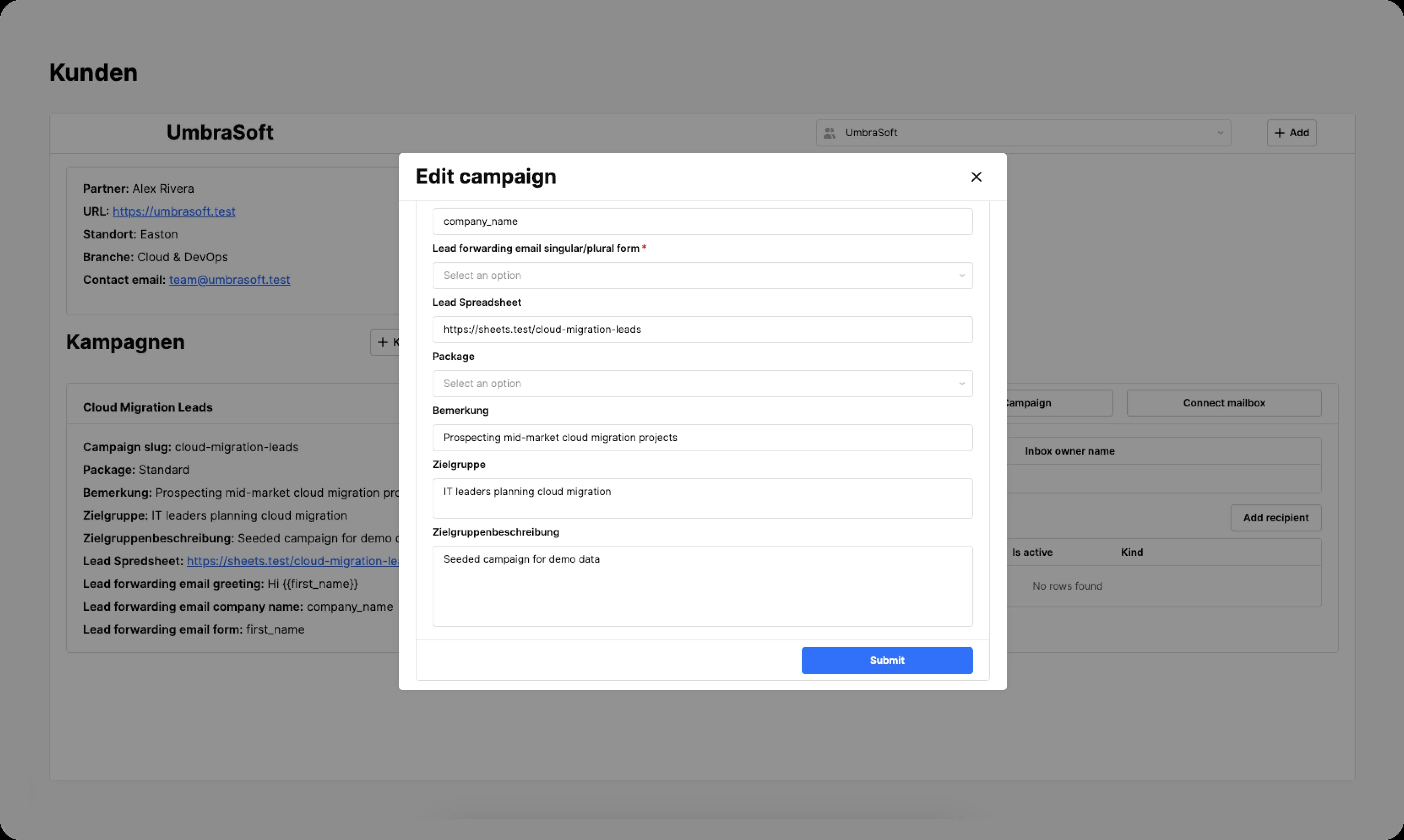
n8n workflow automation architecture that scales
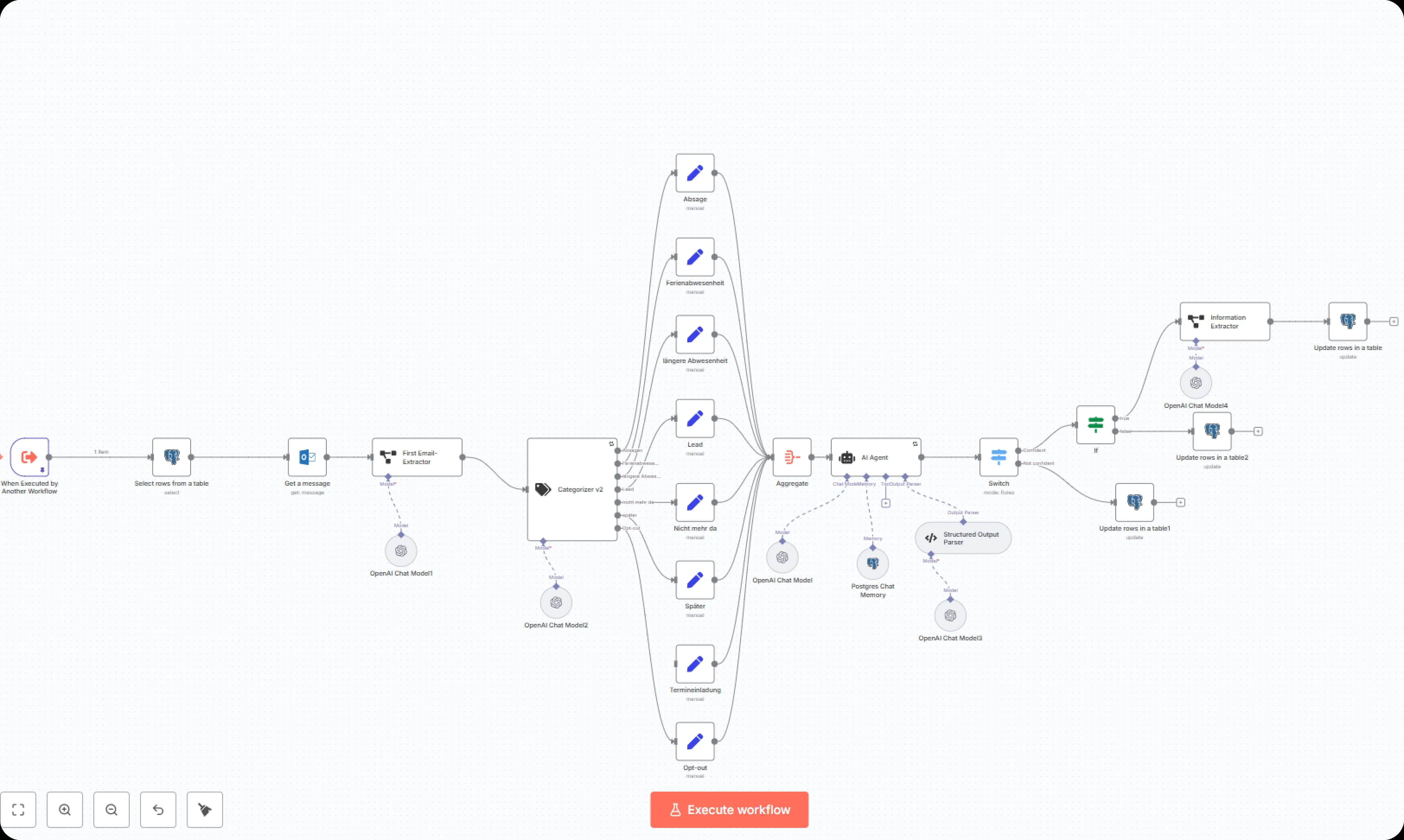
The solution focused on rebuilding the client’s automation ecosystem around an n8n workflow automation architecture as the core orchestration layer.
Instead of making separate workflows for each client, we built a centralized system that processes all outreach operations through shared pipelines.
centralized workflow orchestration
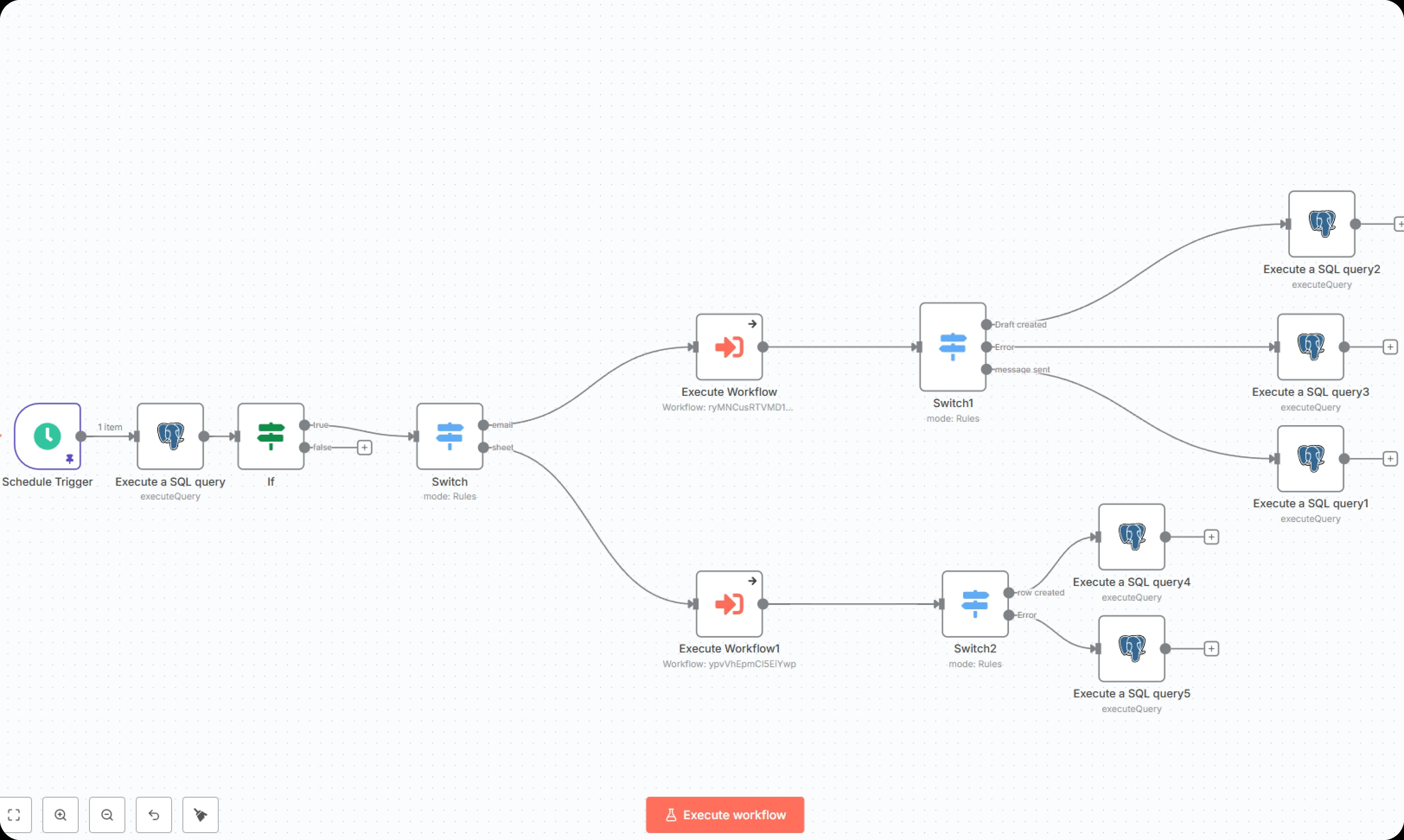
At the heart of the solution is a unified orchestration engine powered by n8n.
Client-specific actions are managed through configuration data instead of duplicating workflow logic. This lets one set of workflows support many campaigns while keeping operations consistent.
n8n workflow execution pipelines
We created modular execution pipelines to manage the entire outreach lifecycle.
Since the workflows are reusable, onboarding new clients no longer means duplicating automation assets.
This architecture transformed hundreds of disconnected automations into a manageable collection of centralized n8n automation workflows.
postgreSQL-based event tracking
We used a database-first approach, with PostgreSQL as the system’s main operational backbone. So every workflow event, state transition, processing action, and campaign update is recorded within a centralized data model.
The PostgreSQL layer became the single source of truth for the whole workflow automation platform.
AI-powered reply classification
We integrated OpenAI services into the processing pipeline to automate reply management.
AI reviews incoming messages to understand intent, sentiment, and next steps, helping reduce manual work and speed up response handling.
webhook-driven workflow infrastructure
Webhook triggers enable real-time processing, with events from campaigns, inboxes, status updates, and external systems instantly starting workflow execution.
This event-driven model reduces delays and improves responsiveness across the outreach system.
The architecture demonstrates how automation n8n can support complex business processes without creating workflow chaos.
retry and recovery systems
To reduce operational risk, we implemented automatic retry mechanisms, failure detection workflows, recovery pipelines, error escalation rules, and alert generation systems. Unlike before, failed executions are now visible, traceable, and can be recovered.
monitoring and logging infrastructure
The observability stack provides workflow health monitoring, execution tracking, failure notifications, performance analytics, and operational dashboards in a single system. This visibility helps the team spot issues early.
scalable onboarding architecture
Instead of building workflows by hand, operators now set up new clients using standardized templates and centralized settings. This greatly reduces onboarding effort.
The combination of centralized governance, reusable components, and lifecycle controls created a highly scalable environment for managing n8n automation workflows across multiple clients.
from chaos to operational excellence
The new architecture turned the client’s outreach operations from a fragmented automation setup into a centralized, enterprise-grade platform.
workflow consolidation
More than 300 standalone workflows were merged into a centralized orchestration system.
improved visibility and reliability
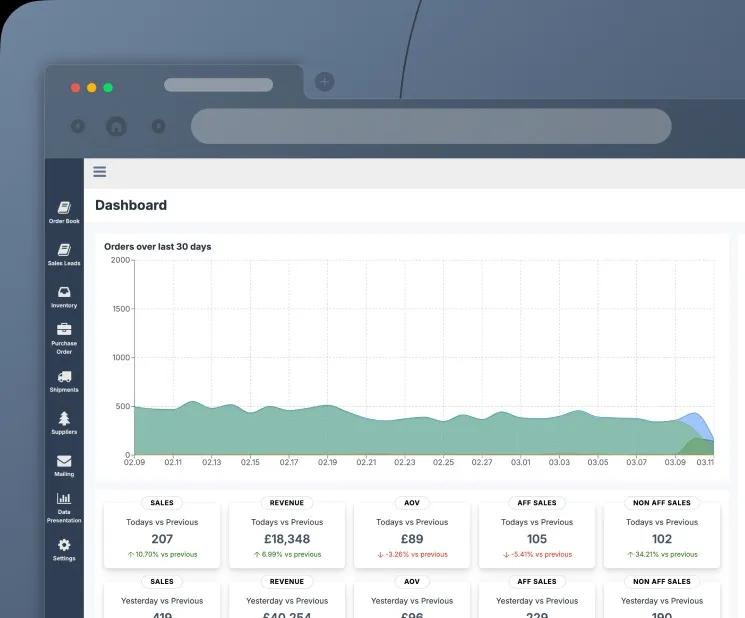
With centralized monitoring and event tracking, the team can now monitor workflows, troubleshoot issues, and review campaign performance in one place.
faster onboarding
Configuration-driven deployment made onboarding simpler and sped up client activation.
New campaigns can now be set up without creating extra workflows, making it easier to grow as outreach volumes rise.
stronger automation
This setup created a more resilient approach to business process automation, letting operators handle larger campaign portfolios without much extra administrative work.
reduced infrastructure costs
By removing duplicate workflows and simplifying maintenance, the team could manage hundreds of automations more efficiently.
With a centralized workflow automation platform, the client can continue growing without repeating the infrastructure challenges of the past.
workflow automation for the future
The platform is now the operational backbone of the client’s outreach system. The Zapier to n8n migration gave the client a scalable automation infrastructure that is easier to manage, monitor, and expand.
It also connects seamlessly with our AI-Powered B2B Lead Generation Platform, forming a full-scale ecosystem for automated lead generation and intelligent reply management.
This project shows how a modern workflow automation platform can unify fragmented processes into a single system.
frequently asked questions (faq)
more cases


BC hero: building tomorrow's workspace today
.webp)
hubSpot to wordpress migration for a growing edtech
.webp)
from vision to vintage: building a digital showroom
global shopify order management: from chaos to seamless control

let’s make the web talk about your project
Che It Group
representative offices

SWITZERLAND, Zürich, 8004
Baarerstrasse 139 6300 Zug
estonia, tallinn, 11317
Kajaka 8, office 26
NORWAY, oslo, 0173
Fougstads gate 2
development offices

ukraine, chernihiv, 14000
Kyivs'ka St, 11, office 155ukraine, kyiv, 04071
nyzhniy val str, 15, office 131ukraine, lviv, 79039
shevchenko str, 120, office 17
development offices
ukraine, chernihiv, 14000
Kyivs'ka St, 11, office 155ukraine, kyiv, 04071
nyzhniy val str, 15, office 131ukraine, lviv, 79039
shevchenko str, 120, office 17
Representative offices
SWITZERLAND, Zürich, 8004
Baarerstrasse 139 6300 Zugestonia, tallinn, 11317
Kajaka 8, office 26NORWAY, oslo, 0173
Fougstads gate 2
start with a consultation
Book a call to discuss how we can match you with proper technologies